Our belief in individual care reflects science, every one of us has a unique dental profile. As with any form of remodelling, orthodontic success comes from planning and understanding.
An extended period of treatment will be based on in depth initial examination. An incisive diagnosis and sound treatment plan are more helpful than incorrect decisions, or trying to change path.
Ensuring you see a leading orthodontist matters, giving access to appropriate skills, experience, imaging equipment. Neither should there be a set time, or formula for assessment, this is personal.
Open Decisions
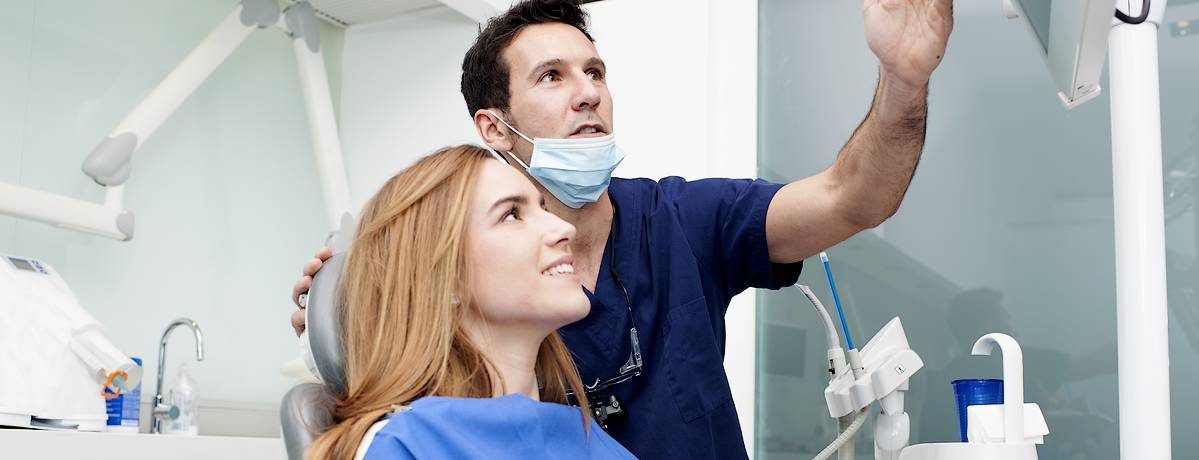
Alongside a detailed examination of your teeth, gums and jaw, an orthodontist should spend time discussing how you feel about treatment, any impact on your life, exactly what you want to achieve.
Harley Street Orthodontics is not tied to a manufacturer, we simply choose the finest braces to suit your medical and personal requirements. Amongst them, considering brands we know to be well made makes sense:

Invisalign Clear
An almost invisible, removable solution, created using the latest materials technology. Invisalign braces are comfortable, quick acting and suited to teenagers, or adults:

Incognito Lingual
Lingual braces can not be seen, they fit snugly behind your teeth. We believe the Incognito approach leads the field, in terms of quality and individual customisation:

Bespoke & Clarity
When a one off solution is needed, our orthodontist will create this. An option may be a system such as Clarity, using small, translucent brackets, which blend with your teeth:
A complete range of braces is a great start, a combination of treatments may suit, fine surgical care is there for you when needed. There are no limitations, simply a wish to create the smile you foresee.
Supportive Treatment
Once decisions are made, imaging, or moulds from your teeth and your orthodontist’s prescriptive skills begin the process of braces being made. They are made for you, whichever system is adopted.
In certain cases, such as Invisalign, you may be given slightly different braces to fit on a weekly basis, as your teeth come into shape. For all approaches, there will be regular appointments with your orthodontist.
They can lessen with time and will vary, depending on approach, every five, or six weeks is a good average. Apart from ensuring all is well and making adjustments, they are opportunities to discuss progress.
Good Outcomes
Although you should see positive change along the way, there is no set time to complete orthodontic treatment. Younger patients grow at different rates, the physiology we each have responds in varying ways.
Nine months would be at the shorter end and achieving exactly what you wish may take a good while longer. Quite a committment from patients, which every member of our staff supports to the full.
They will be there for you, from the first day you meet, until you leave with a fine smile. An outcome they take pleasure in, you are welcome to visit a clinic where personal achievement is shared.